Eir
The best of Leaches.
Chuck
5/10/20263 min read
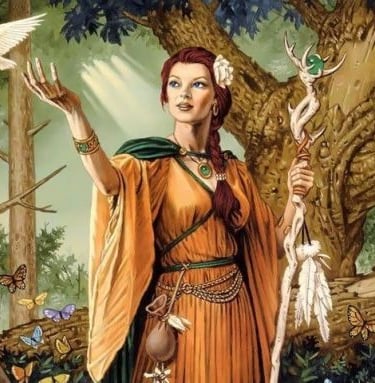
Eir’s name means “help” or “mercy.” She is one of the handmaids of Frigga, and is also listed as one of the handmaids – or Valkyrjur – of Óðin. She is attested to in the Prose Edda, the Poetic Edda, and Svipdagsmal. Additionally, she also is attested to in skaldic poetry, and runic inscriptions. She is named as a goddess who oversees childbirth.
As a Valkyrie, Eir accompanied her battle-sisters. While the other Valkyries chose the slain, Eir would choose who would live and recover and return to health. She was the inventor of battlefield triage, the hardest part of of the job as a medic. As a chooser of life and death, she is sometimes associated with the Norns. This part I am not overly sure about. The Norns are well named and the duties well described. Eir choses right now who lives or dies. She interferes not a bit with the Norns. There is no mentioned of her consulting the Norns in her decision. In a way no different than us old combat medics and EMTs.
In the poem Gylfaginning, she is called best of leaches. In modern terms it would say A very good doctor.
In the Poetic Edda, she is attested to being the companion of another spiritual being, a particularly kind and compassionate jötunn named Menglöð. The two of them are invoked for healing together.
In the poem Fjölsvinnsmál she is named.
Svipdag spake:
"Now answer me, Fjolsvith, the question I ask,
For now the truth would I know:
What maidens are they that at Mengloth's knees
Are sitting so gladly together?"
Fjolsvith spake:
"Hlif is one named, Hlifthrasa another,
Thjothvara call they the third;
Bjort and Bleik, Blith and Frith,
Eir and Aurbotha.
Later in the poem Svipdagr is asked of blót or offering is made to them would they help.
Fjolsvith spake:
"Soon aid they all who offers give
On the holy altars high;
And if danger they see for the sons of men,
Then each day from ill do they guard.
Now care must be used in asking for Eirs help. Asking to relive pain and suffering in the very sick may end with the result of them joining the halls of the ancestors.
Hilda Ellis Davidson confirms this in this snippet of her work.
Lyfjaberg is where the goddess sits surrounded by her helpful spirits. Although healing by a goddess—or indeed by a god either—has left little mark on Norse myths as they have come down to us, there is no doubt that the healing power of goddesses was of enormous importance in daily life in the pre-Christian period, as was that of many women saints in Christian times. The goddess who presided over childbirth was held to possess power over life and death, and was revered as a life giver, both in the family home and in the courts of kings, though she might also pass sentence of death.
In the Skáldskaparmál Eir appears within a list of Valkyrie names, but Eir is not included in the list of ásynjur in the same chapter. But in other areas she is counted among the ásynjur
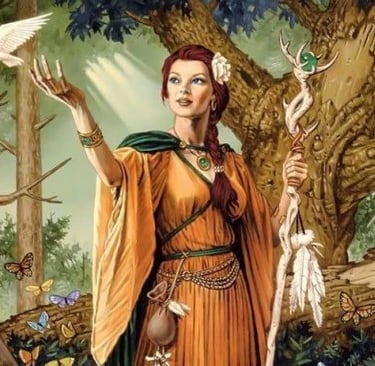
As with most of our gods and goddesses the fluffy love all harm none idea that floats about needs to be discarded. Eir has a following among those. Modern neo pagans describe her as a kind young women with herbs braided in her hair and birds flitting about. Look at a modern working doctor or nurse. Especially in critical care. You see a cool collected professional that only focus is caring for their patient. Once that is completed, then they turn attention to family and the compassion then flows out. This is my UPG. There is little written about her and it is up to us. Those that work with her to uncover who she is.
Lady Eir is the patron of my profession. The guidance of my job. Her hands are what guide mine in the caring for people. The is the herbal healer, the combat medic, the doctor nurse and pharmacist for the Æsir and Vanir. And for us on Midgard though those that learn from her she provides not the knowledge, but the wherewithal to seek it. Raise a glass to her as we celebrate both the life she brings and the death we fear.